


How to Organize a Business Meeting at the Hotel
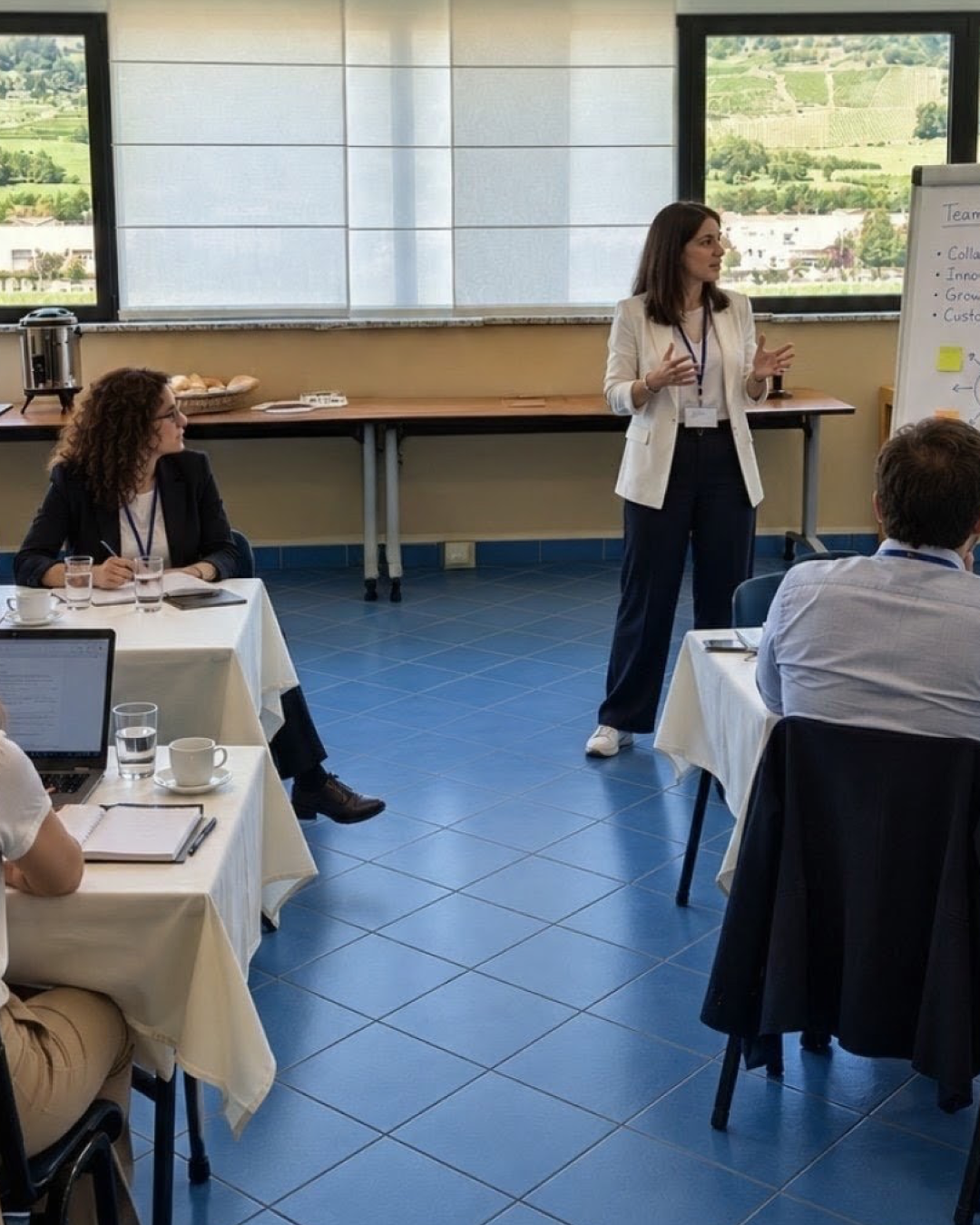
Organizing a business meeting involves much more than simply booking a meeting room. From room layouts and technical equipment to guest management and catering, every detail contributes to the success of the event.
However, some organizational aspects are often addressed only in the days leading up to the event, when making changes can become more complicated.
How can you prepare for a business meeting while avoiding unexpected issues and last-minute requests?
The solution starts with clear communication between the organizing company and the hosting venue. Providing the necessary information well in advance allows Hotel Express to prepare the facilities, coordinate the requested services, and respond more effectively to participants’ needs.
Let’s explore what information you should share with Hotel Express and how to organize a business meeting professionally.
1. Planning: The First Step in Organizing a Business Meeting
Before choosing the seating arrangement or defining additional services, it is essential to establish the objectives of the meeting. A business meeting may be organized to present a new project, train employees, meet clients, coordinate a team, or discuss business strategies. Each type of event requires a different approach to preparation.
For example, a meeting involving a small group of executives will have different requirements from a conference with a large number of participants. In the first case, a layout that encourages direct discussion may be preferable, while in the second, ensuring good visibility of presentations will be particularly important.
Defining the purpose of the event helps identify the most suitable spaces and equipment.
It is therefore advisable to prepare a short organizational document, or brief, to share with Hotel Express when making your initial inquiry.
2. What Information Should You Provide to the Hotel Before the Meeting?
The booking stage is the ideal time to share essential information. You do not need to have every detail finalized, but it is important to provide a sufficiently clear overview of the event.
Date, Schedule, and Number of Participants
The first details to communicate include:
- Event date: Specify whether it is a single-day meeting or an event taking place over several days.
- Expected number of participants: This helps identify the most appropriate meeting room and prepare the space accordingly.
- Start and end times: These are necessary to organize room usage and any additional services.
- Type of meeting: Operational meeting, training session, conference, workshop, or corporate presentation.
- Room layout: This should reflect the planned activities and the level of interaction expected among participants.
This information allows the hotel to assess whether the company’s requirements are compatible with the available facilities.
How to Choose the Right Meeting Room Layout
The arrangement of furniture influences how participants engage and interact during a meeting.
Hotel Express offers several room configurations:
- Theatre-style layout: Rows of chairs facing the speaker or screen, without tables. This arrangement maximizes seating capacity and is ideal for conferences, conventions, and presentations.
- U-shaped layout: Tables arranged in a U-shape with chairs positioned around the outside. This setup encourages eye contact and discussion, making it ideal for training sessions, operational meetings, and interactive workshops.
- Boardroom layout: A single central table with chairs arranged around it. This configuration provides privacy and encourages direct interaction, making it suitable for board meetings, executive discussions, and negotiations (up to 15–20 people).
- Cabaret-style layout with rectangular tables: Separate rectangular tables with chairs positioned so that all participants face the stage. This arrangement provides space for laptops and note-taking while encouraging collaboration in small groups. It is ideal for workshops, seminars, and case studies.
The choice should consider both the objectives of the meeting and the size and configuration options of the room.
Agreeing on the layout in advance helps prevent last-minute changes and ensures participants arrive in a properly prepared environment.
3. Technical Equipment: What to Check Before the Event
A presentation that does not display correctly, a malfunctioning microphone, or difficulties connecting remote participants can disrupt a meeting’s schedule. For this reason, technical requirements deserve particular attention.
Projectors, Audio Equipment, and Video Conferencing
Before the event, the company should inform the hotel about the equipment required, check
