
Désarpa in Aosta Valley 2026
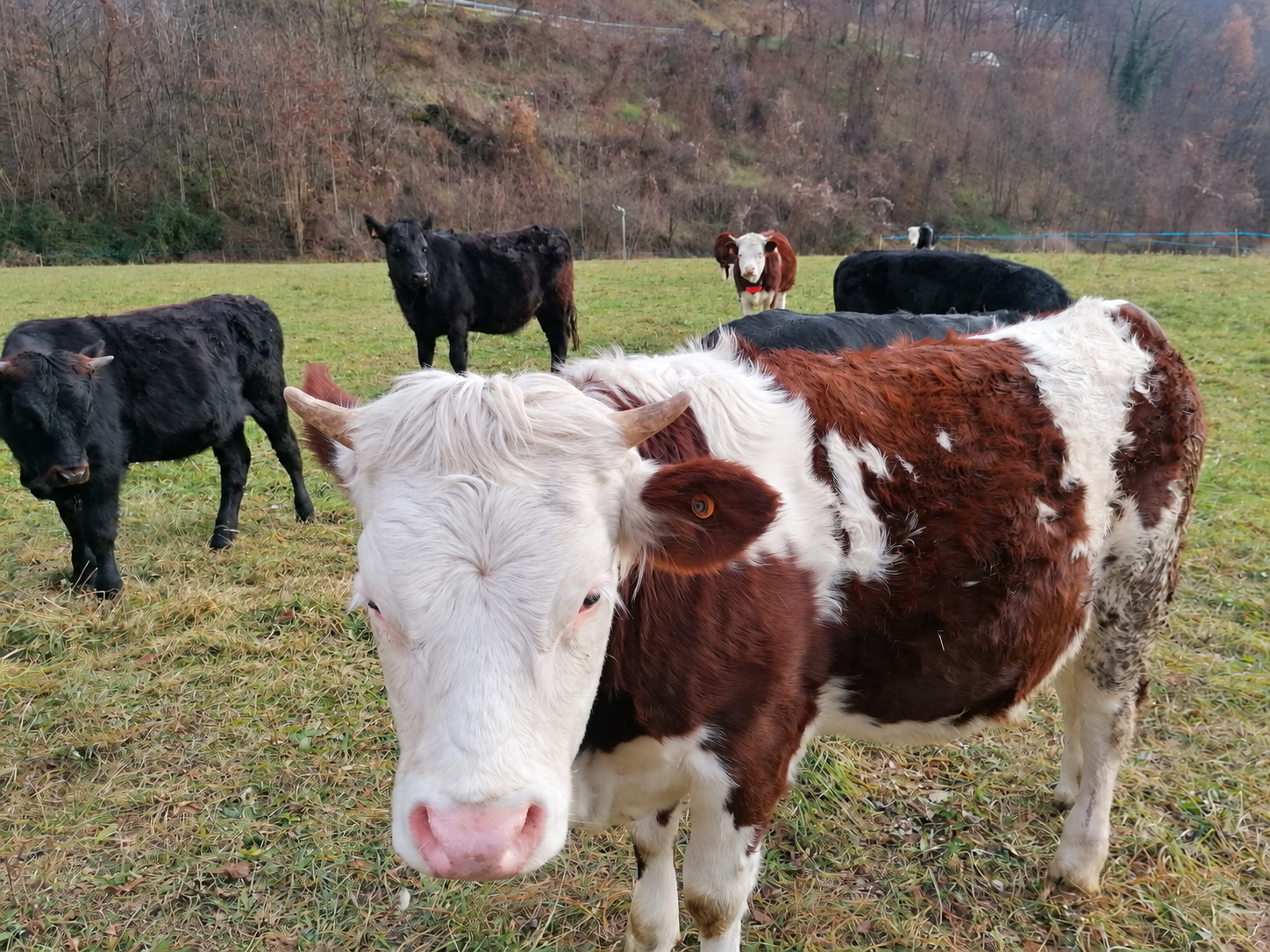
First come the cowbells. Their sound can be heard from afar, growing louder and louder until the herds finally appear along the streets of the villages. The cows move forward decorated with flowers, ribbons and large bells, accompanied by farmers and welcomed by residents and visitors. In Aosta Valley, this moment has a specific name: Désarpa, the traditional descent of livestock from the Alpine pastures back down to the valley at the end of summer.
It is not simply a folkloric event. Désarpa has its roots in agricultural work and in the seasonal cycle of mountain life. In many towns and villages across Aosta Valley, between late spring and early summer, herds move up towards the high-altitude pastures: this is known as inarpa. They spend the warmer months there before making the opposite journey as autumn approaches. Historically, the return to the valley is associated with the feast of Saint Michael on 29 September, although today celebrations take place between late September and October.
For those visiting Aosta Valley during this period, attending a Désarpa therefore means experiencing a living part of Alpine culture: not a reconstruction of the past, but a tradition that continues to involve farmers, families and entire villages.
Désarpa: what this Aosta Valley tradition really means
The term Désarpa belongs to the Franco-Provençal linguistic heritage of Aosta Valley and literally refers to the descent from the Alpine pastures. The opposite movement is known as inarpa: the moment when, with the arrival of the warmer season, the herds leave the valley floor and head towards the high-altitude pastures.
Throughout the summer, the lives of farmers move up into the mountains. People and animals spend weeks in the Alpine pastures, where the cows graze on high-altitude meadows and the milk is processed every day. It is a rhythm shaped by the weather, the growth of the grass and the needs of the livestock. When temperatures begin to fall and autumn approaches, it is time to leave the higher pastures and begin the journey back towards the barns in the valley.
It is precisely this return that gives Désarpa its festive character. The descent marks the end of a long season of work and becomes an opportunity for farmers, families and residents of the villages crossed by the herds to come together. The streets come alive, the sound of cowbells announces the animals’ arrival, and residents and visitors gather along the route to watch them pass.
The most visible protagonists are, of course, the cows. During Désarpa, some are decorated with flowers, ribbons, large cowbells and colourful ornaments, transforming what was once mainly a necessary seasonal journey into a real parade. The slow movement of the herds through the villages, accompanied by the sound of bells and by the farmers walking beside them, creates one of the most distinctive scenes of autumn in Aosta Valley.
Some animals also receive special recognition. In Cogne and Valtournenche, for example, the Queen of the Horns and the Queen of the Milk are celebrated: cows that have distinguished themselves during the season and parade wearing special decorations. These details show just how deeply the relationship between farming, the land and the local community remains rooted in the culture of Aosta Valley.
Désarpa, therefore, is not simply a celebration of the herds returning to the valley. It is the moment when an entire cycle of mountain life becomes visible. From the high-altitude pastures to the streets of small villages, the return of the animals tells the story of a way of life shaped by the seasons, the work of farmers and traditions that continue to be passed down from generation to generation.
In 2026, the Désarpa season offers several events between late September and early October. Each location interprets the return from the Alpine pastures according to its own customs, combining the passage of the herds with markets, music, local food and community celebrations.
More than cows: food, craftsmanship and village life
However, reducing Désarpa to a simple parade would overlook much of its meaning. The return of the herds is closely connected to the gastronomic and social identity of the mountains of Aosta Valley.
In Cogne, for example, the event is accompanied by an exhibition of local food products and traditional crafts. During the weekend, some restaurants also offer menus inspired by products from the Alpine pastures, turning the visit into an opportunity to discover the local cuisine.
In Valtournenche, the programme is even broader. After the herds pass through, a traditional Aosta Valley lunch is scheduled in Maën, while the afternoon continues with the Bataille des Chèvres, a demonstration of the Bataille de Reines, activities for children, locally sourced food products and traditional handicrafts.
The Désarpa of Vertosan also preserves a deliberately simple and authentic character. Created in 2013 through an initiative by the farmers who use the Alpine pastures of the Comba di Vertosan, together with the municipalities of Saint-Nicolas and Avise and the Centre d’Études Francoprovençales, the event brings the herds together on the same day and leads them towards the main village of Saint-Nicolas. Alongside the passage of the animals, visitors can enjoy a local produce market, lunch and music.
It is precisely this combination that makes Désarpa particularly interesting from a tourism perspective. In just a few hours, visitors can experience elements that are often sought separately during a trip: Alpine landscapes, Franco-Provençal culture, livestock farming, local products, music and the everyday life of small mountain villages.
Above all, it offers a different perspective on the mountains. Meadows, Alpine pastures and cows that might otherwise appear simply as part of the scenery during a hike become part of a productive and cultural system that still follows very precise seasonal rhythms.
A different way to discover Aosta Valley in autumn
September and October mark a period of transition. The days begin to shorten, the colours change and Alpine destinations slow down after the busy summer months. It is precisely at this time of year that Désarpa offers the opportunity to experience a different side of Aosta Valley, far from the winter ski season or the long summer hiking days.
At Hotel Express, we recommend spending the morning experiencing Désarpa and then using the rest of the day to discover the surrounding villages, markets and local products. There is no need to fill the entire day with activities: part of the experience is simply taking the time to stop, follow the procession and observe how a tradition rooted in everyday agricultural work can still bring entire communities together.
Désarpa tells the story of Aosta Valley through a very simple gesture: coming home. After months spent in the high-altitude pastures, herds and farmers make their way back towards the valley. Around this return, cowbells, decorations, lunches, markets and celebrations have developed over time.
In 2026, across Cogne, Valtournenche, Saint-Nicolas, Avise and Morgex, this ancient rhythm of mountain life will once again take centre stage.
For those visiting Aosta Valley between late September and October, it can be an opportunity to look beyond the landscape and discover more about the people, work and traditions that continue to keep it alive.
The Hotel Express Team
