
Food and Flavours of Aosta Valley
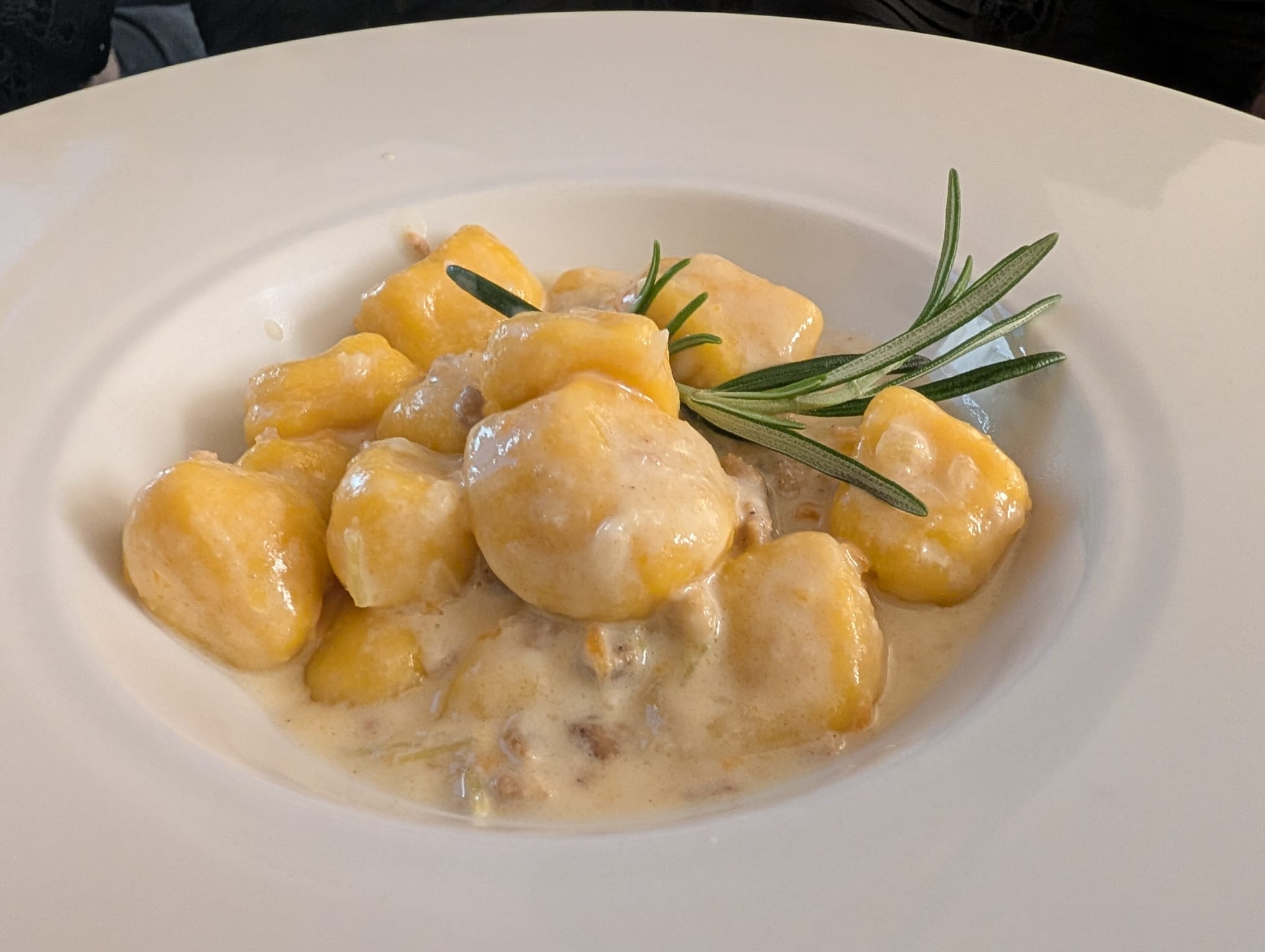
There are places that reveal themselves through their landscapes, while others can only truly be understood by sitting down at the table. Aosta Valley belongs to both categories: it captivates visitors with its mountains, villages, castles, and Alpine views, but reveals its most authentic soul through its flavours.
Aosta Valley cuisine is mountain cuisine, simple only at first glance. It is rooted in genuine ingredients, recipes passed down through generations, and a deep knowledge of the land. It is a cuisine that speaks of Alpine pastures, meadows, cellars, wood burning in the fireplace, and shared tables after a day spent outdoors.
Those who visit Aosta Valley will discover not only traditional dishes to taste, but a true culinary story made of cheeses, cured meats, soups, wines, desserts, and Alpine liqueurs. Every product carries a story, and every recipe reflects a way of experiencing mountain life: practical, welcoming, essential, and generous.
Fontina PDO, a Symbol of Aosta Valley Cuisine
When talking about the flavours of Aosta Valley, the first name that almost always comes to mind is Fontina. This iconic cheese of the region is one of the most representative ingredients of local cuisine and perfectly expresses the bond between Aosta Valley and Alpine farming traditions.
Fontina PDO is made from whole cow’s milk and is distinguished by its intense aroma, soft texture, and full flavour, which can vary slightly depending on ageing and the production period. It is a versatile cheese, equally enjoyable on its own, perhaps accompanied by dark bread or mountain honey, or as a key ingredient in traditional recipes.
One of the most beloved dishes is undoubtedly Aosta Valley fondue: warm, creamy, and comforting, it embodies everything that makes Alpine cuisine so satisfying. Served with toasted bread or paired with other ingredients, it is perfect on cold days, but remains one of the region’s most enjoyable culinary experiences throughout the year.
From Pasture to Table: Fromadzo and Mountain Cheeses
Alongside Fontina, Aosta Valley offers several other cheeses with a strong personality. One of the most distinctive is Valle d’Aosta Fromadzo PDO, a traditional cheese with a more rustic character, usually made from cow’s milk and, in some versions, with the addition of goat’s milk.
The result is a cheese with a bold flavour, which can develop different aromatic notes depending on the production process and ageing.
Cheeses from Aosta Valley are the result of a unique environment: high-altitude pastures, Alpine herbs, clean air, and traditional production methods that preserve ancient knowledge. Tasting them means coming into contact with an important part of local culture, linked to rural life, mountain pastures, and careful craftsmanship.
A board of cheeses from Aosta Valley is never just an appetiser: it is a small journey through textures, aromas, and traditions.
Cured Meats from Aosta Valley: Intense Flavours and Traditional Craftsmanship
Aosta Valley cuisine is also rich in cured meats with distinctive flavours. Among the best known are Vallée d’Aoste Lard d’Arnad PDO and Vallée d’Aoste Jambon de Bosses PDO, two outstanding products that reflect the relationship between territory, climate, and craftsmanship.
Lardo di Arnad is soft, aromatic, and delicately spiced. It is often served on warm dark bread, sometimes with a drizzle of honey, creating a simple yet surprising contrast between sweetness, savouriness, and fragrance. It is one of those flavours that stays in the memory because it combines immediacy with tradition.
Jambon de Bosses, on the other hand, is a mountain-cured ham with an elegant and aromatic profile. Its production is closely linked to the area of Saint-Rhémy-en-Bosses, in an Alpine setting that contributes to its distinctive identity. Thinly sliced, it is ideal as an appetiser or as part of a tasting selection of local products.
Alongside these renowned specialities, you can also find more traditional and familiar preparations, such as mocetta, a seasoned and cured meat with an intense flavour, or boudin, a traditional sausage whose recipe may vary from one area to another.
These are products that tell the story of a cuisine born from the need to make the most of every available resource, with intelligence and respect.
Aosta Valley Soups: The Warmth of Tradition
Mountain cuisine has always known how to transform a few simple ingredients into rich and flavourful dishes. The soups of Aosta Valley are a perfect example: warm, hearty, aromatic, and designed to nourish and warm.
One of the best known is Seupa à la Vapelenentse, originating from Valpelline. It is a simple yet generous dish made with bread, cabbage, broth, and Fontina. This recipe perfectly expresses the spirit of Aosta Valley cuisine: a few ingredients, great balance, and a deeply satisfying result.
Another speciality worth discovering is Seupetta di Cogne, a traditional soup distinguished by the use of rice. Once again, the dish comes from local tradition and from the ability to create rich flavours with essential ingredients.
These recipes are not just traditional dishes: they are gestures of home. They speak of conviviality, the pleasure of being together, and the value of a cuisine that does not need elaborate effects to create emotion.
Dark Bread, Honey, and Everyday Flavours
Among the products most closely connected with everyday life in Aosta Valley is dark bread, traditionally made with rye flour. It has a strong, rustic flavour and pairs perfectly with cheeses, cured meats, mountain butter, and honey.
Aosta Valley honey, produced in an environment rich in Alpine flowers, adds a natural sweetness to the table. Paired with cheese or Lardo di Arnad, it creates pleasant contrasts and enhances the simplicity of local ingredients.
These small flavours are precisely what make the gastronomic experience of Aosta Valley so special: seemingly simple products that are able to tell the story of the territory in an authentic way.
Wines of Aosta Valley: Mountain Viticulture
Aosta Valley is also a land of wine. Here, viticulture develops in a particularly demanding environment, often on steep slopes and difficult terrain. For this reason, it is often referred to as heroic viticulture: a form of winegrowing that requires passion, expertise, and deep respect for the environment.
The wines of Aosta Valley pair beautifully with local cuisine. From fresh, mineral whites to more structured reds, each glass can become a way to explore the relationship between the land and the table.
Tasting a wine from Aosta Valley means discovering another side of the region: quieter, perhaps less well known, but extremely interesting for those who appreciate authentic products closely connected to the landscape.
Desserts and Liqueurs: A Gentle Finale
A journey through the flavours of Aosta Valley would not be complete without mentioning its desserts.
Among the best known are tegole valdostane, thin and crisp biscuits made with nuts, perfect with coffee or cream.
And then there is genepì, an Alpine liqueur made from high-altitude herbs. Traditionally served as a digestif, it brings intense herbal aromas to the glass, evoking meadows, rocks, and crisp mountain air.
These flavours bring the meal to a gentle close, without excess, much like Alpine culture itself: simple, understated, yet capable of leaving a lasting impression.
A Region to Savour Slowly
Aosta Valley is a destination that invites you to slow down. Its flavours are not meant to be consumed in a hurry, but discovered step by step: during a traditional dinner, at a tasting, in a local market, in a small shop, or while enjoying a mountain view.
Aosta Valley cuisine is made of authenticity, seasonality, and memory. It is a cuisine that welcomes, tells stories, and enriches every stay by making it more personal and meaningful.
For those arriving in Aosta Valley, tasting local products is not only a culinary pleasure: it is also a way of truly entering into the spirit of the place.
Every cheese, every soup, every glass of wine, and every dessert contains something of the mountains and of the people who live there.
And perhaps this is the finest flavour to take home with you: that of an authentic territory, capable of being remembered not only for what it shows, but also for what it allows you to experience at the table.
What to Find Near the Hotel: Local Flavours Just Minutes Away
One of the advantages of staying in a convenient location in Aosta Valley is being able to experience the region without wasting time on long journeys.
After a day spent exploring castles, villages, mountains, and the streets of central Aosta, having restaurants and farm stays within easy reach becomes a valuable advantage, especially for families, couples, and travellers who want to enjoy their holiday in a simple and relaxed way.
If you are wondering what to see in Aosta Valley but also want to know where to stop and enjoy local cuisine near the hotel, here are two convenient options to keep in mind:
Ristorante L’Osteria in Aosta: around 10 minutes by car, it is an ideal choice for a relaxed dinner after a day spent exploring the city or the nearby valleys. Perfect for those looking to combine convenience, a welcoming atmosphere, and good food.
Agriturismo Dalbard: just 4 minutes by car from the hotel, it is an interesting option for those looking for a more authentic experience closely connected to the local area. An ideal stop for discovering the most genuine side of Aosta Valley through tradition, local products, and conviviality.
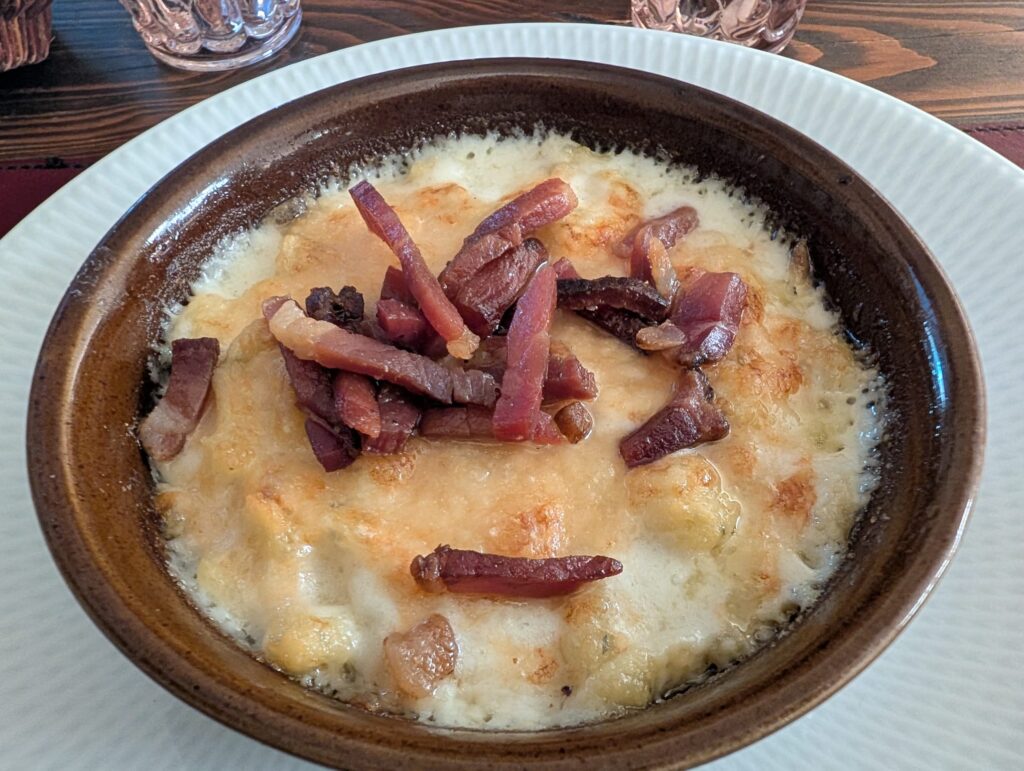
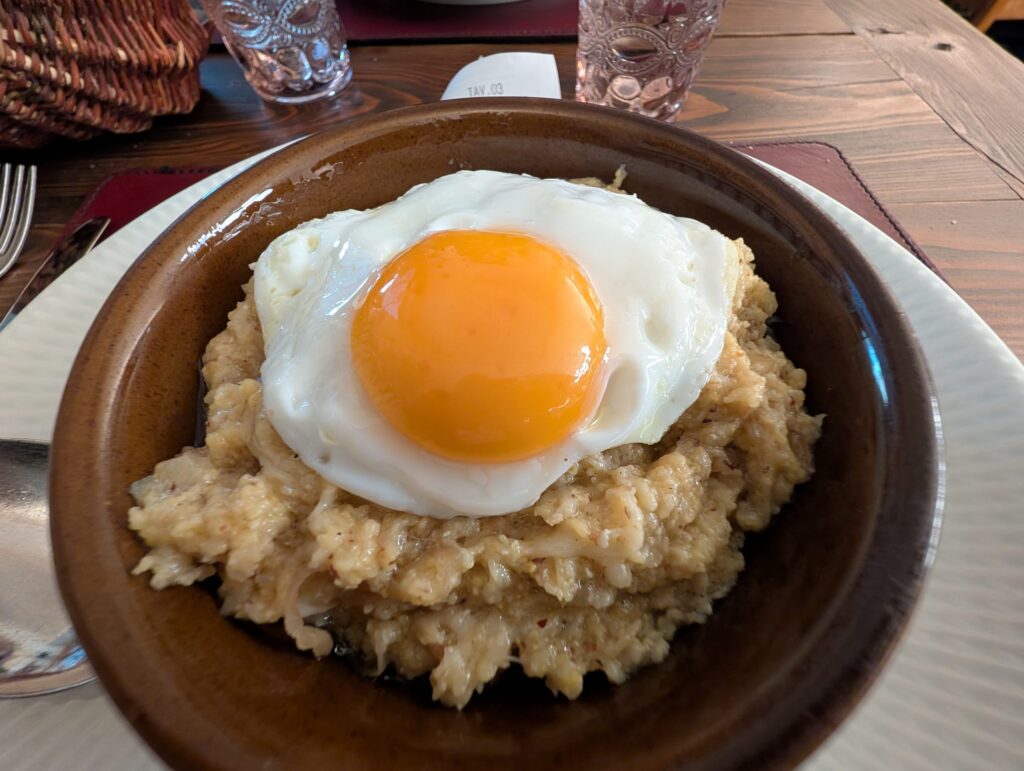
Having these options so close by makes it easier to organise your stay with greater freedom: you can explore Aosta Valley during the day, return comfortably to the hotel, and end the evening over a good meal without having to travel long distances.
It is a small detail that can make the trip more practical, enjoyable, and suitable even for those who only have a few days available.
